The Essential Role of Door Fitting Hardware in Door Performance
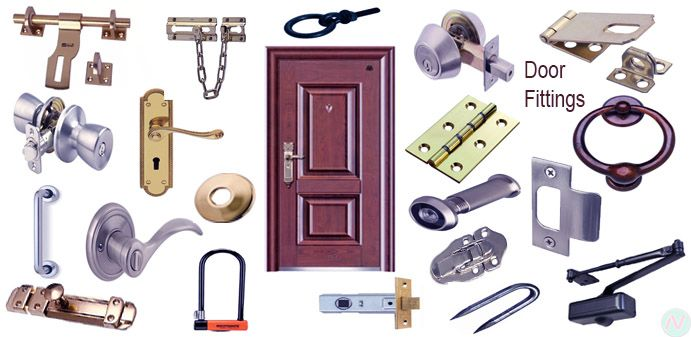
As parts of door hardware, hinges, locks, handles, stoppers, door closers, and screws represent the very fundamental component in the performance, safety, and durability of any door hardware. These smaller hardware components ensure smooth and reliable operation. Good-quality hardware hinges keep the door properly aligned so that it opens with ease and does not sag while opening or closing. Stronger, more secure hardware locks keep out thieves and unwanted visitors, ensuring added protection and peace of mind for residential and commercial use alike. Similarly, high-quality hardware handles and knobs provide comfort, grip, and durability during everyday operation.
Beyond basic functionality, door fitting hardware greatly influences the life of a door. Well-engineered fittings reduce friction, minimize noise, and prevent unnecessary wear, translating to fewer repairs and replacements over the years. They also add to the aesthetic appeal of the space: sleek, modern hardware can raise the overall look of even a no-frills door, while classic designs offer a harmonious complement to traditional interiors.
Investing in good-quality door fittings is not merely a question of looks but an intelligent choice in terms of value for the future. Properly selected and installed hardware enhances convenience, security, and performance, making every interaction with the door smoother and more dependable. After all, reliable door fittings ensure that a door functions optimally day after
Choosing the right hardware is essential for ensuring that your doors not only look great but also function optimally. Investing in good-quality door hardware fittings is not merely a question of looks but an intelligent choice in terms of value for the future. Properly selected and installed hardware enhances convenience, security, and performance, making every interaction with the door hardware smoother and more dependable. After all, reliable door hardware fittings ensure that a door functions optimally day after day.
This guide covers various types of door hardware and their significance in residential and commercial applications. From locks to handles, each piece of hardware plays a vital role in the overall functionality and aesthetics of your doors. Understanding the different types of hardware can help you choose the right components for your specific needs.
🚪Complete Index of Door Harware and Security Items
- Door Locks (Cylinder, Mortise, Tubular, Smart Locks)
- Door Handles (Lever, Knob, Pull)
- Hinges (Butt, Ball Bearing, Piano, Spring)
- Latches & Bolts (Flush Bolt, Barrel Bolt, Tower Bolt, Sliding Latch)
- Door Closer
- Door Stops/Buffers (Floor-mounted, Wall-mounted)
- Aldrop
Door Locks (Cylinder, Mortise, Tubular, Smart Locks)
Cylinder Locks
A cylinder lock is the most common type of lock.
It has a keyhole part (the cylinder) that you turn with a key. Inside are tiny metal pieces called pins.
Shutterstock
When you insert the correct key, the key’s bumps push the pins up perfectly, creating a straight line. This straight line is called the shear line. Once the pins are aligned, the cylinder is free to spin, and the door locks or unlocks.
If you use the wrong key, the pins don’t line up, and the cylinder stays blocked and won’t turn.
Mortise Lock
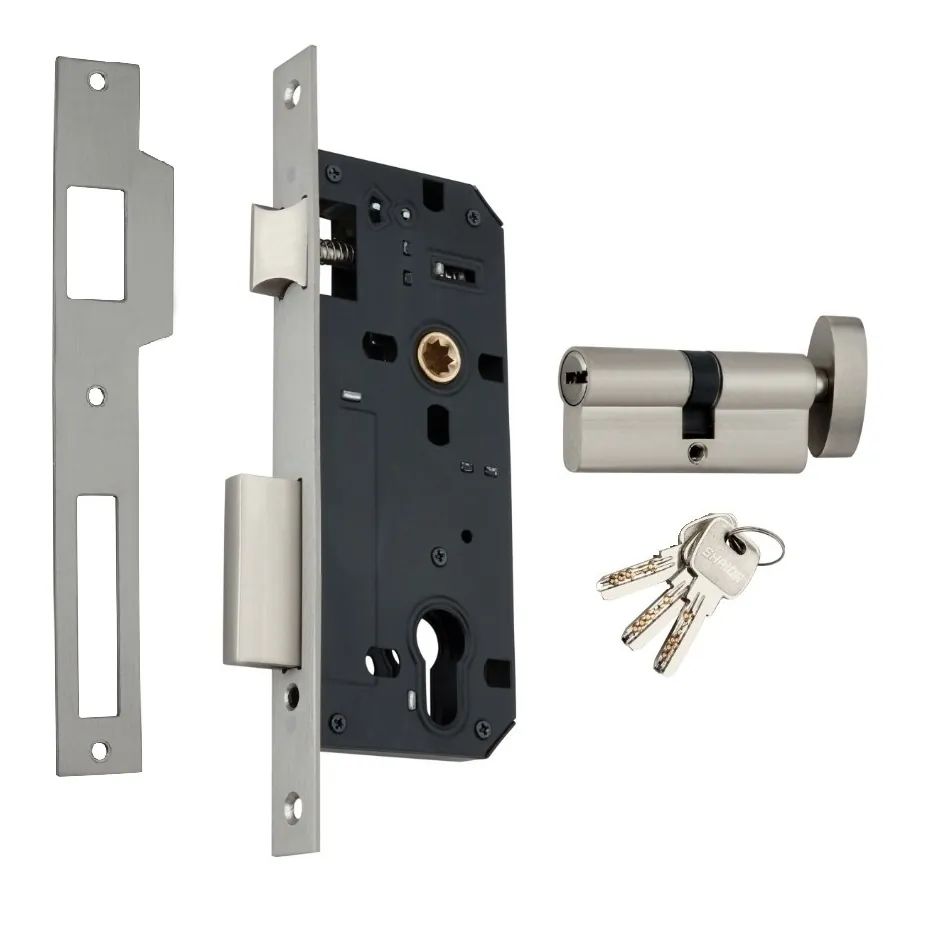
A mortise lock is a strong, complete lock system that fits inside the door, not just on the surface.
To install it, a deep hole, or “mortise,” must be cut into the door’s edge. The entire metal box containing the mechanism slips into this pocket.
It usually has two parts:
- A latch (spring bolt) that clicks shut when the door closes.
- A deadbolt (the main lock) that extends into the frame for security, locked by a key.
Because it is built into the door, it’s very durable and provides excellent security.
Tubular lock
A tubular lock can easily be identified by the circular shape of its key and keyhole. Whereas a standard lock would have all of its pins lined up, a tubular lock has its pins arranged in a circle around the core. Because of this, tubular locks have very good security-they are quite resistant to common picking tools. Tubular locks are not usually installed in front doors; rather, they can be found on more specialized items, such as vending machines, cash boxes, and security cabinets. They provide appropriate protection to equipment and property wherever strong, unusual security is needed.
Smart Lock
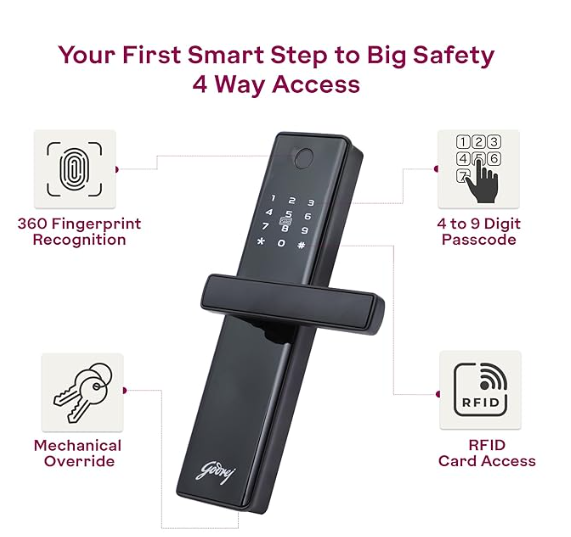
A smart lock is an electromechanical device that offers keyless entry and connects to your home’s network, typically via Wi-Fi or Bluetooth.
Instead of a physical key, you can unlock the door using a smartphone app, a numerical keypad, or even a fingerprint (biometric). These locks are a part of the modern smart home ecosystem. Key benefits include:
- Remote Access: Lock or unlock the door from anywhere in the world.
- Temporary Codes: Easily generate time-limited access codes for guests or service providers.
- Monitoring: Receive real-time alerts and activity logs showing who entered and when.
This integration offers both enhanced convenience and security.
Door Handles (Lever, Knob, Pull)
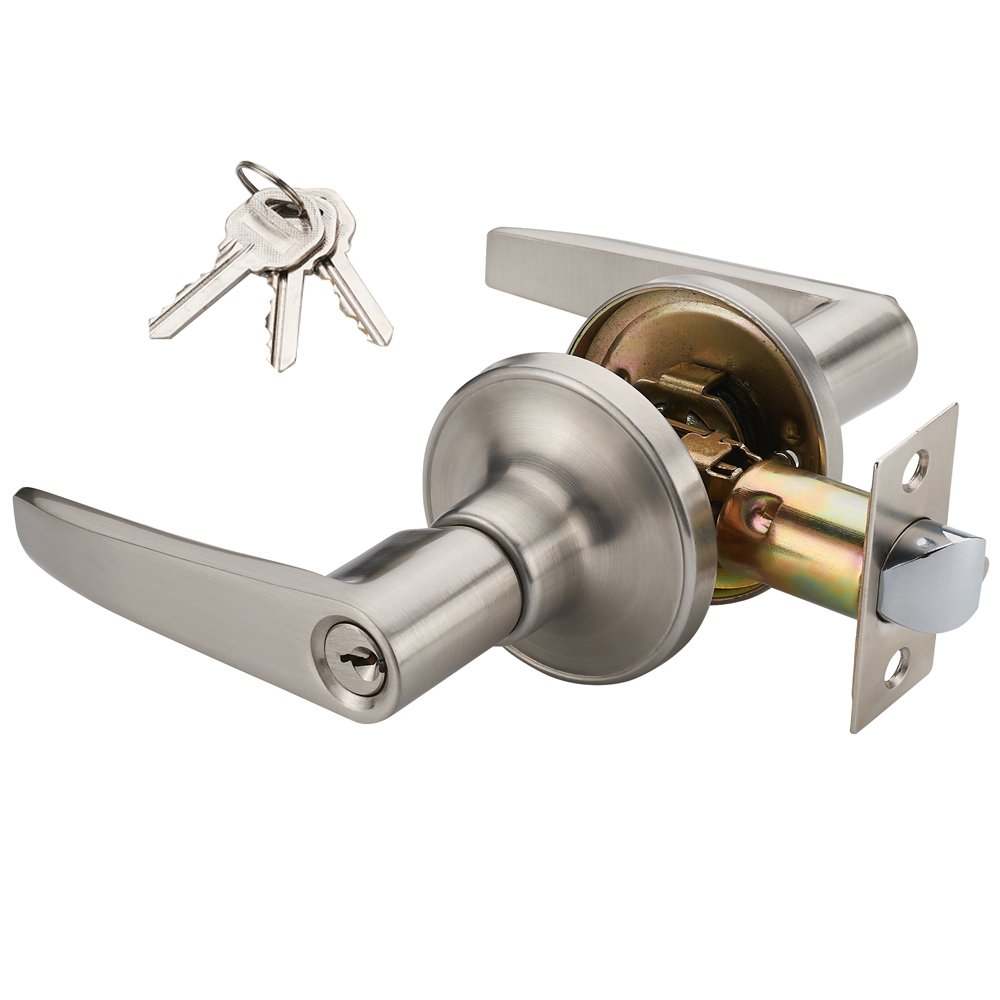
Lever Handle
Tired of twisting cumbersome door knobs? The lever handle offers a sleek, modern, and highly practical alternative. Unlike knobs-which necessitate a firm grasp and rotation-a lever requires only a downward press to actuate the latch.
This ease of use is a major plus and makes them the preferred choice for accessibility, especially in homes with children, the elderly, or anyone with mobility issues. In addition to function, modern lever designs bring great aesthetic value, available in everything from straight minimalist styles to ornate curved patterns. Whether used along with a mortise lock or simply with a tubular latch, the lever handle adds style to both the looks and usability of any door.
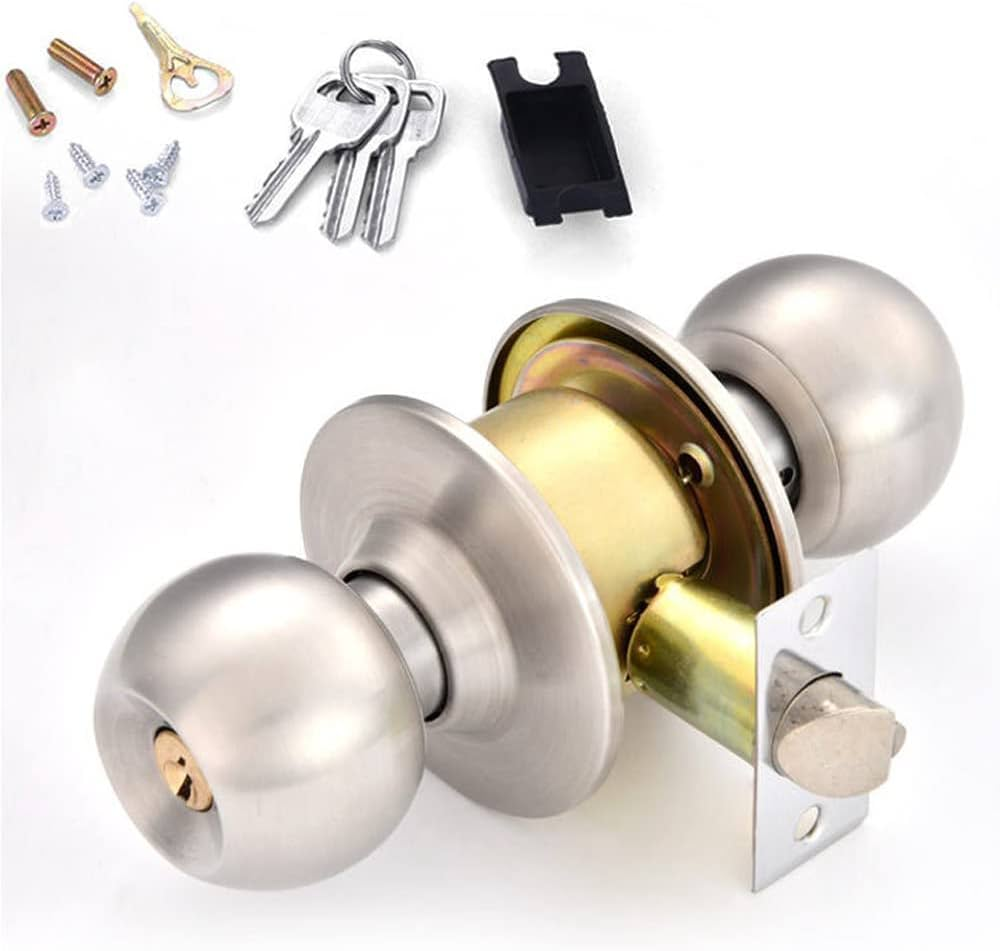
knob Handle
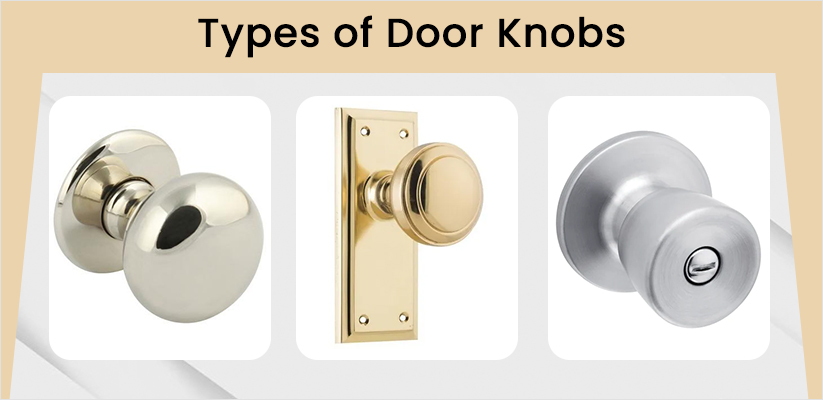
The most traditional and recognizable piece of door hardware is, of course, the door knob handle. Its simple, spherical design requires a grasp and a rotation to retract the door latch, making it a reliable fixture for interior and exterior doors alike.
These provide a classic, timeless look that works well in historical or traditional settings. Plus, pets can’t operate them easily, which is quite a bonus! While levers are often favored for accessibility, knobs are durable, cost-effective, and offer a familiar, solid feel. From polished brass to crystal, the knob handle is available in countless materials and remains a popular and versatile choice for any home.
Pull Handle
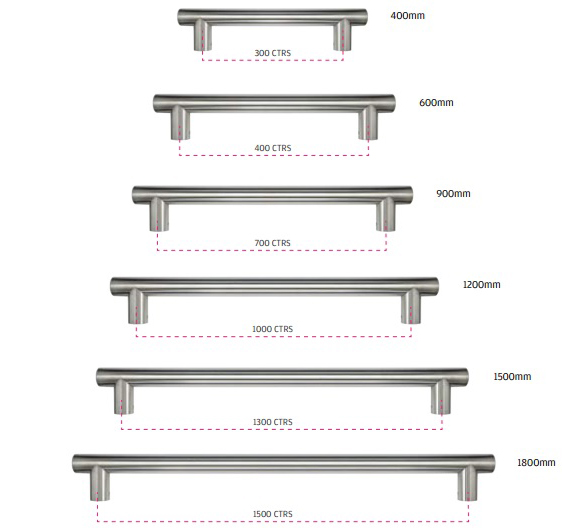
For a truly dramatic and contemporary look, the pull handle is the ultimate choice. Unlike knobs or levers that rotate to operate a latch, pull handles are fixed and are used purely for gripping and moving the door—common on entry doors, sliding doors, or doors equipped with magnetic or roller catches.
Pull handles, with their large, imposing size on commercial buildings and modern homes, offer a bold design element in a vertical or horizontal fashion. They require the use of a separate locking mechanism for security, like a deadbolt or mortise lock, since they themselves do not include an integrated latch. If you’re going to want hardware that celebrates clean lines and makes a confident design statement, the pull handle is the perfect piece of “door jewelry.”
Hinges (Butt, Ball Bearing, Piano, Spring)
🚪 Butt Hinges: The Unsung Hero of Every Door
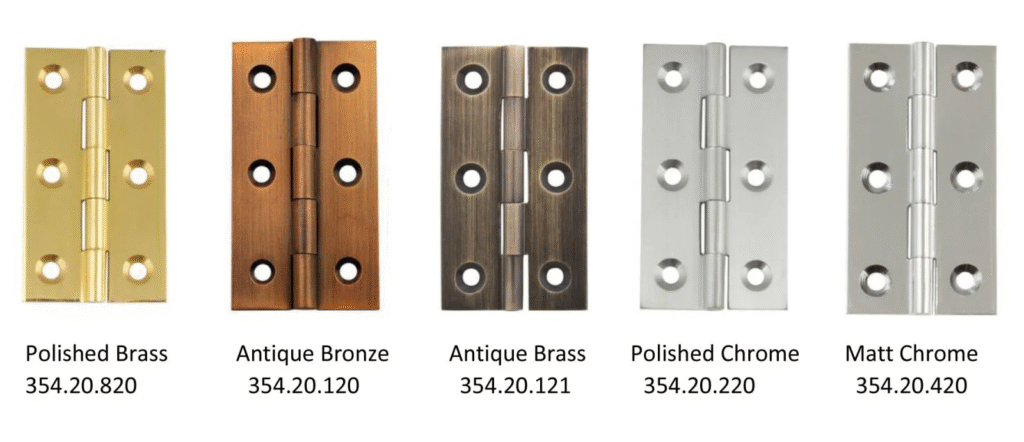
The butt hinge is, quite simply, the most common hinge found on doors worldwide. It consists of two rectangular plates, or “leaves,” joined by a central pin and a barrel-shaped section called the knuckle.
Most installations include the cutting of a recess, or “mortise,” into both the door edge and the frame. This allows the two leaves to sit flush with the wood, with only the knuckle visible when the door is closed, making for a clean, tidy appearance. For heavy doors, ball-bearing butt hinges are indispensable, reducing friction to let the door swing smoothly and quietly for years of trouble-free use. Simple but important, the butt hinge is the functional backbone of almost every swinging
⚙️ Ball Bearing Hinges: Smooth Sailing for Heavy Doors
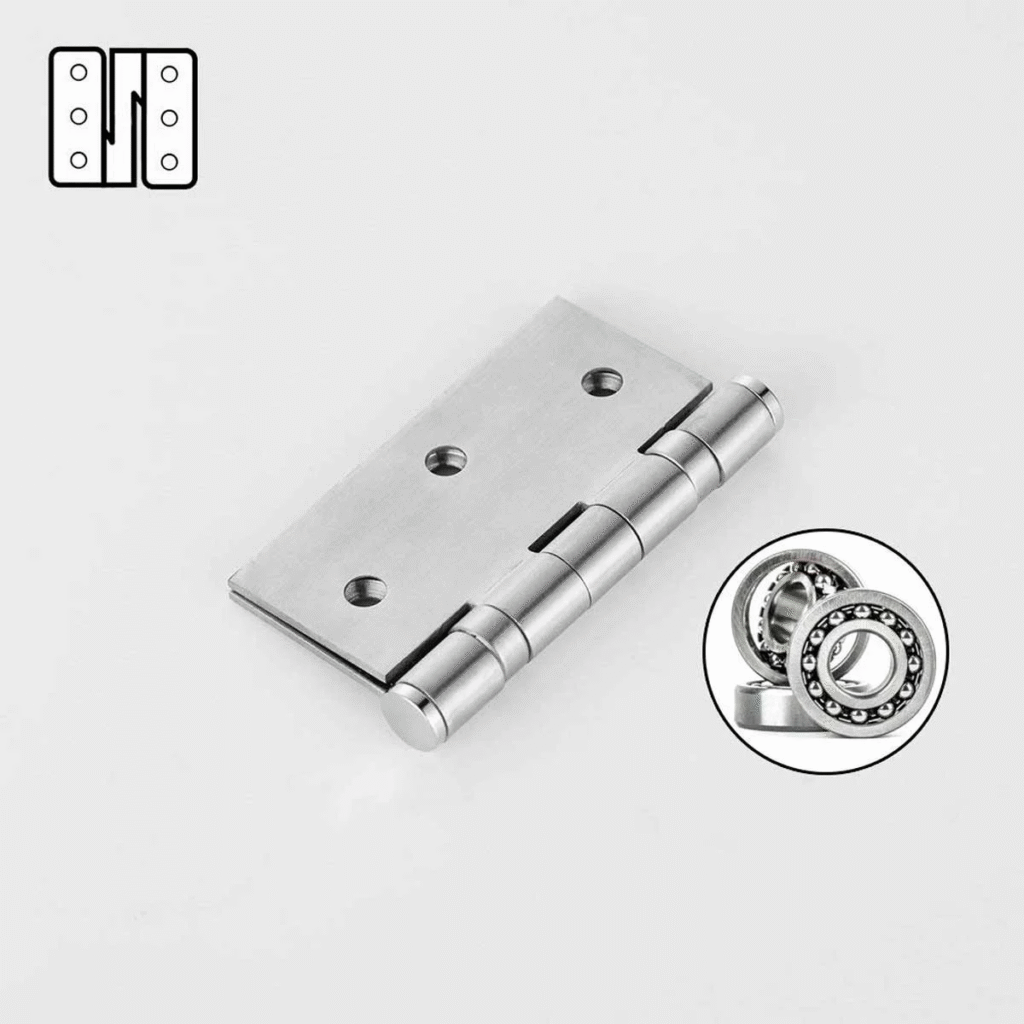
For high-traffic or extra-heavy doors, a standard butt hinge simply wouldn’t do the job, and here’s where the ball bearing hinge comes into play. Visually similar to a regular butt hinge, the key difference is the ball bearings placed between the hinge knuckles.
These small, hardened steel bearings act as tiny friction reducers. As the door swings, the weight is distributed to the bearings and allows the leaves to pivot with very minimal resistance. This provides a very smooth, silent, and effortless swing, with minimal wear and tear. Ball-bearing hinges are highly recommended if you have solid woods or oversized doors, which will ensure longevity and smooth operation.
🚪 Spring Hinges: The Automatic Closer
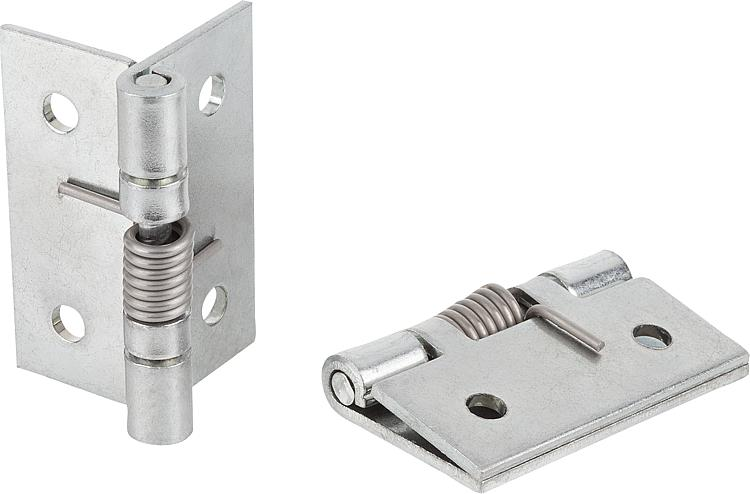
A spring hinge is a particular type of hinge with an inbuilt spring mechanism that gives it the ability to automatically close a door once opened.
This is important in applications where a door has to close for safety or code compliance, such as fire-rated doors, or for convenience, as in high-traffic areas like commercial kitchens. The tension of the spring is usually adjustable, enabling you to regulate the speed and force at which the door swings shut. Mounting the closing device directly in the hinge itself eliminates the need for a separate, bulky door closer, offering a cleaner look while ensuring the door never stays accidentally ajar.
Latches & Bolts (Flush Bolt, Barrel Bolt, Tower Bolt, Sliding Latch)
Flush Bolts: The Hidden Security of Double Doors
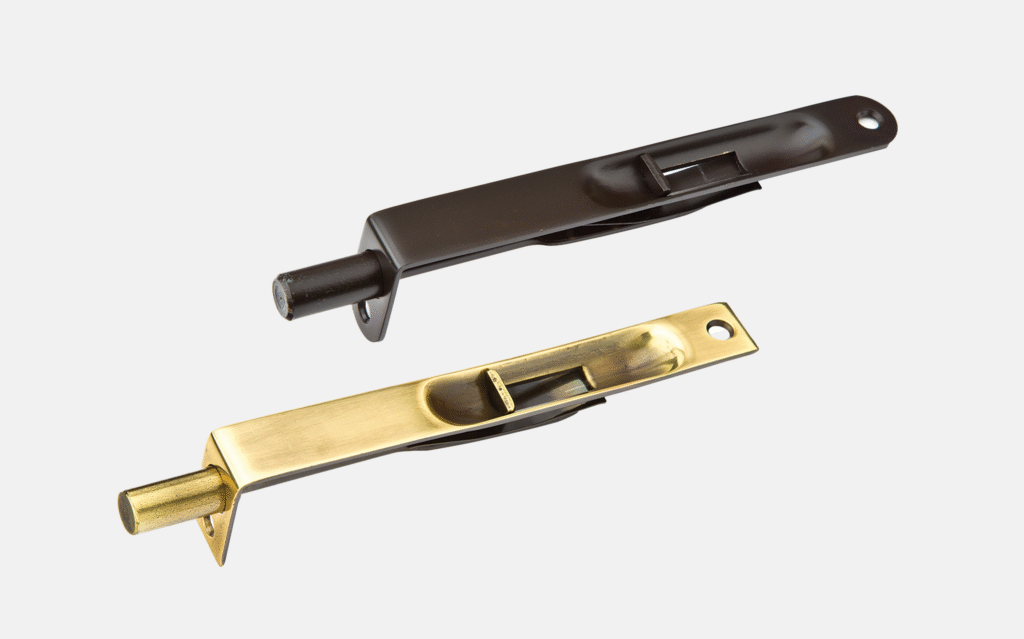
The flush bolt is the key to mastering the elegant security of double doors-such as French doors. It’s designed to be mortised-or cut-right into the edge of the door, which makes it almost invisible when retracted-hence the name “flush.”
Its primary function is to lock the inactive door leaf-that is, the door that does not possess the main handle and lock-by sliding a metal rod into a socket in the door frame or into the floor. This firmens the door and prevents unauthorized opening. Since the bolt is hidden from view within the door’s construction, it maintains clean lines and a superior aesthetic. For true double-door security, a flush bolt is commonly placed at both the top and bottom of the inactive door.
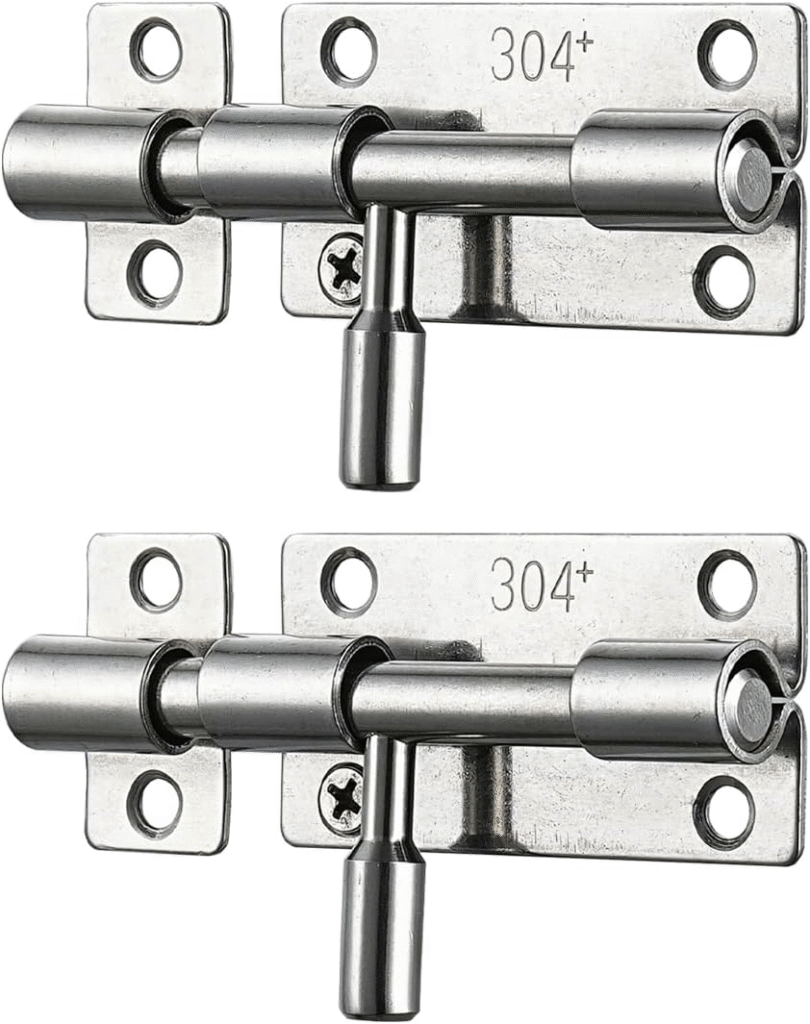
🔒 The Barrel Bolt: Simple Security & Privacy
As the name suggests, the barrel bolt or slide bolt is a classical yet simple locking device. Ease of installation and handling is its main concern. It’s a surface-mounted device where no complex cutting into the door has to be done; thus, it’s widely favored as a quick DIY security boost.
The principle involved is simple: a cylindrical metal rod is manually slid from its fixed housing on the door into a corresponding catch plate on the door frame. Primarily, barrel bolts are used for privacy on interior doors or supplementary security on exterior gates, sheds, and garages because they only lock from one side. They are a reliable, cost-effective, and robust choice for basic fastening needs.
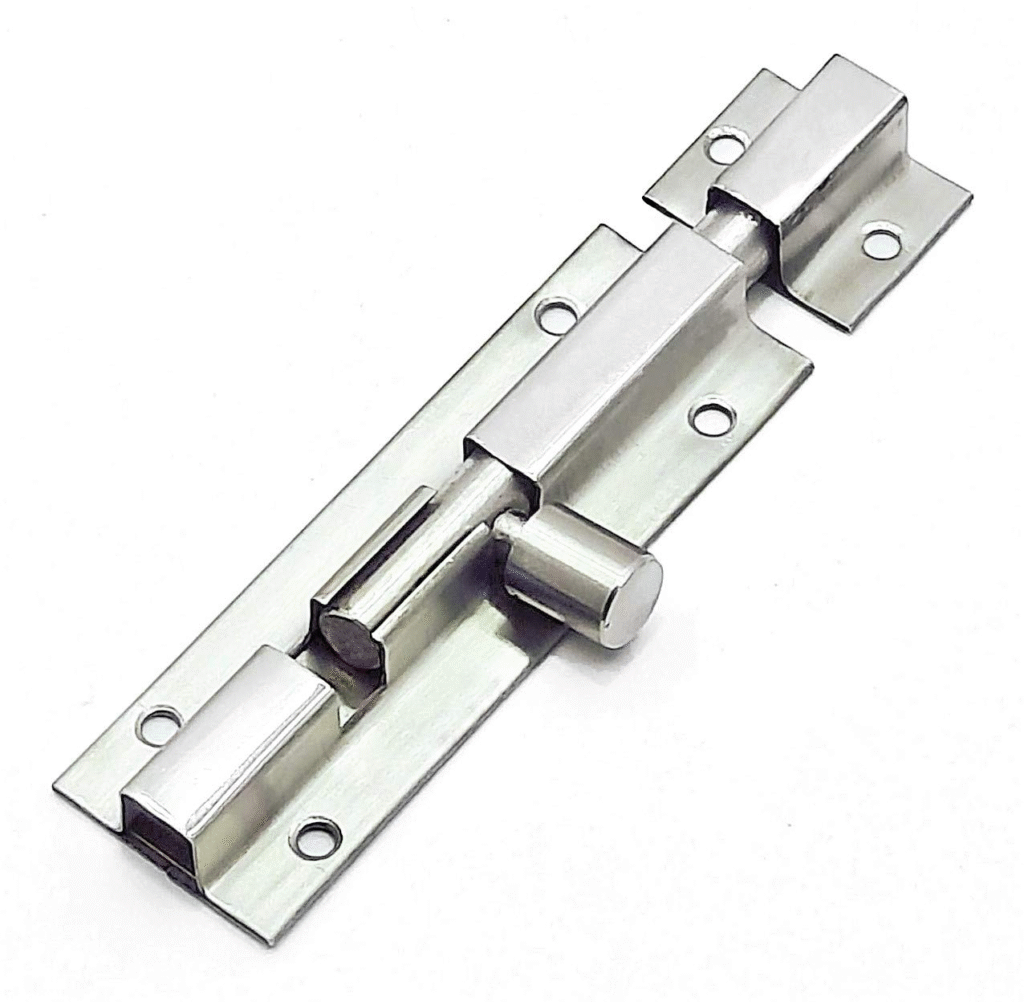
The Tower Bolt: Simple, Classic, and Reliable
The tower bolt is a traditional and highly dependable surface-mounted fastener, similar in design to a barrel bolt but often having a slightly more robust design. It gets its name from its often tall, sturdy appearance.
Installation is straightforward, requiring only screws to fix the main housing onto the door and the receiving keep onto the frame or floor. It works by simply sliding a thick metal rod into the receiving keep. The tower bolt can be used for heavy-duty security and supplementary locking on exterior gates, garage doors, and shed doors. It lacks some of the sleek, hidden aesthetics of modern flush bolts, but the visible strength and simple, mechanical reliability make it a very tried-and-tested choice for locking any secondary door or panel.
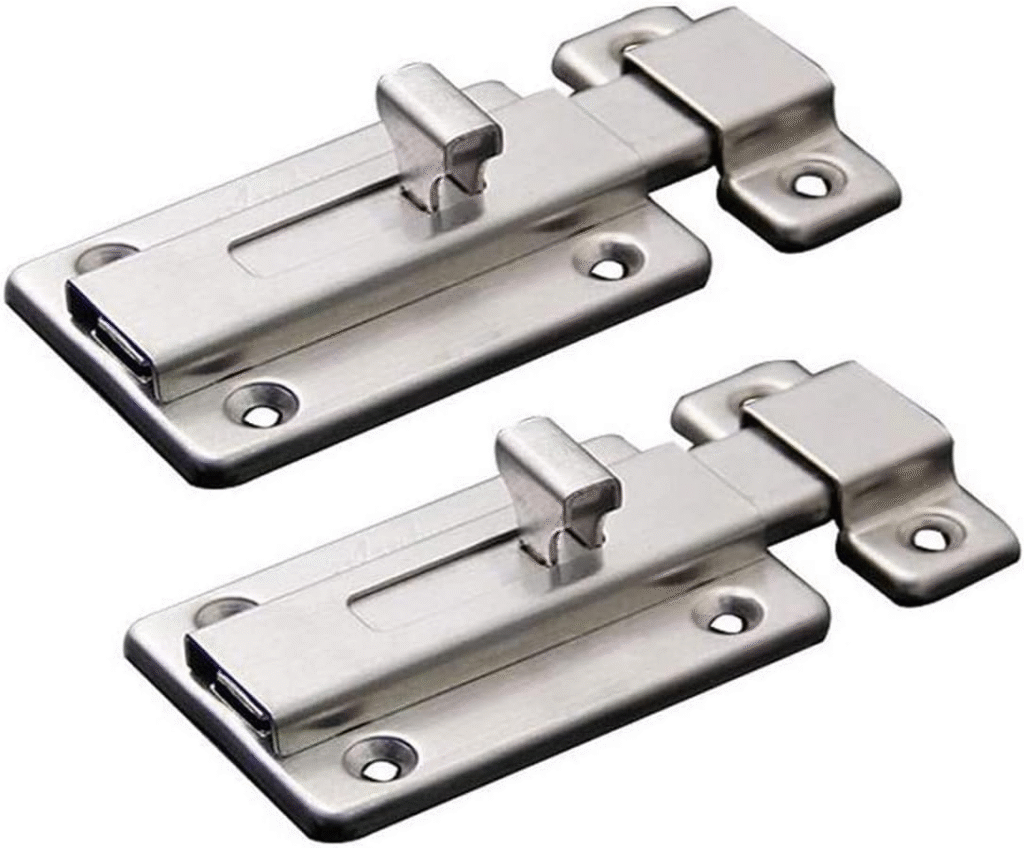
⚙️ The Sleek Utility of the Sliding Latch
The sliding latch is an unassuming, yet vital component of door hardware that plays a major role in keeping interior sliding doors, bathroom stalls, and cabinet panels shut. A lot different from the conventional bolt, which slides into a receiving plate, the sliding latch houses the entire mechanism within a compact flat housing.
Operation is thus very smooth: a small, often ergonomically shaped tab or lever is merely pushed or pulled horizontally to engage or release the latch into a small strike on the frame. This minimal travel and low-profile design make it ideal for doors where space is limited. Modern sliding latches can even include an occupancy indicator, showing “Vacant” or “In Use”, which makes them ideal in public restrooms or shared office rooms where indicating clear privacy status is important.
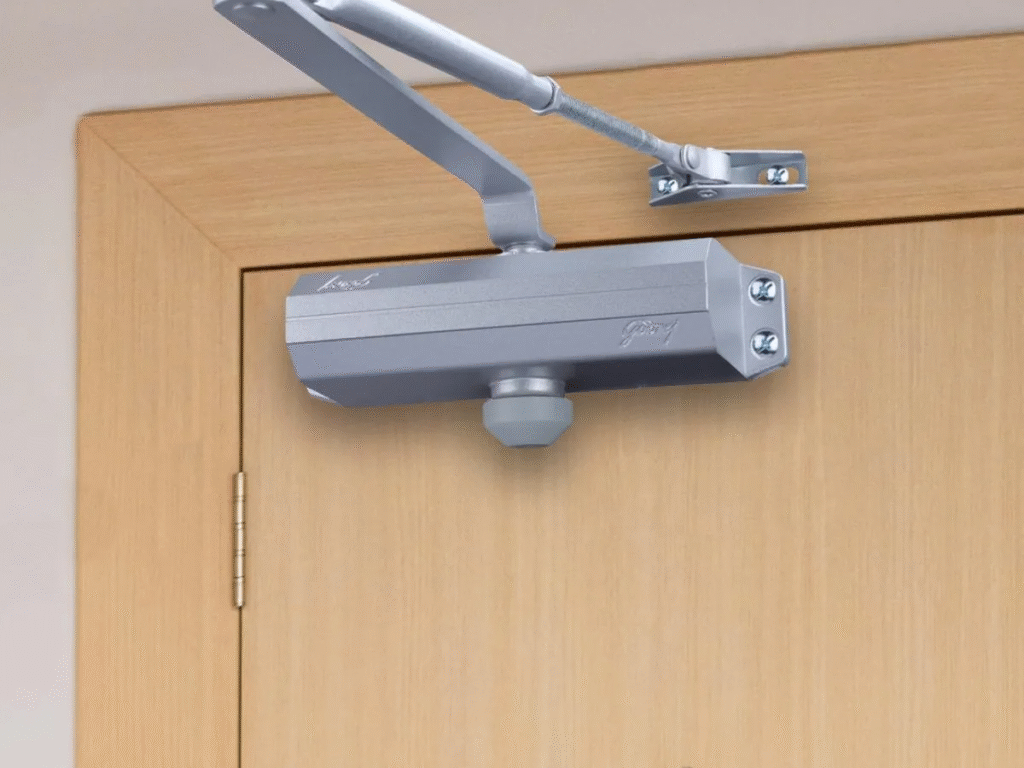
The Door Closer: Controlled, Safe, and Silent Shutting
A door closer is a mechanical device mounted above a door that automatically pulls the door back to its closed position after it has been opened. Far more controlled than a simple spring hinge, the closer uses hydraulic fluid and springs to manage the entire motion of the door.
The most crucial advantage of a door hardware closer is that it has controlled closing speed. This prevents the door hardware from banging and protects the door frame, makes less noise, and provides safety. They are necessary for fire safety codes, such as those ensuring fire-rated doors are always securely sealed. From offices to hospitals, the door hardware closer is essential to manage pedestrian traffic in and out while keeping interior climate control efficient.
Door Stops/Buffers (Floor-mounted, Wall-mounted)
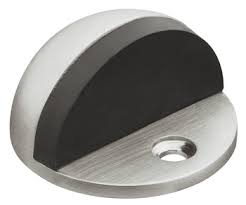
The Subtle Strength of the Floor-Mounted Door Stopper
That unsightly dent left on your wall by a swinging door is a common frustration, but the solution is simple in an elegant kind of way: the floor-mounted door stopper. Fixed directly to the ground, these small pieces of hardware are champions of both protection and aesthetics.
Unlike the wall-mounted stops, the floor stop is usually less noticeable since it melds into the flooring. Installation directly into the slab or subfloor gives it superior stability and strength, which makes it the ideal choice for heavy solid-core doors or high-traffic commercial areas where the door swing is forceful.
Many styles exist, from simple rubber-tipped cylinders to robust magnetic options that hold the door open. Choose a finish matching your hinges and handles, and this little, vital detail will silently preserve your walls and extend the life of your door hardware.
🧱 Wall-Mounted Door Stoppers: Protecting Your Interiors with Ease
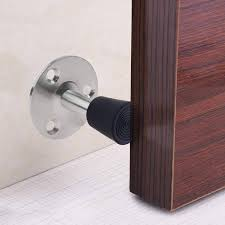
The wall-mounted door stopper is the go-to solution for preventing door handles from crashing into and damaging your walls. This style of stopper is affixed directly to the wall surface at the point where the door’s handle would make contact when fully opened.
Installation is often easier and much less permanent than drilling into a floor, making it ideal for rentals or areas where subfloor materials are complicated. Typically featuring a simple, rubber-tipped end that absorbs the impact energy, it saves your paint and plaster from dents and cracks. For maximum protection, it should be installed so that the door knob or lever strikes the rubber tip squarely. Inexpensive, effective, and with a wide availability, this fixture quietly ensures your home’s walls stay pristine.
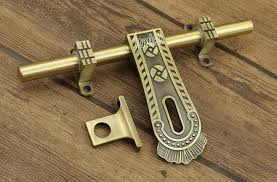
The Aldrop: India’s Classic Main Door Lock
In addition to the previously mentioned types of door hardware, selecting high-quality hardware can reduce maintenance needs and ensure longevity. Investing in durable hardware options contributes to the overall security and functionality of your premises.
The Aldrop is a traditional surface-mounted latch system commonly used for main door and heavy gate applications, especially throughout India. It operates like a robust, decorative sliding bolt.
This typically consists of a main body fixed to the door and a prominent handle-and-rod mechanism, in metals like brass, zinc, or stainless steel. To lock, the user slides the rod vertically or horizontally into a loop or staple secured to the door frame.
The Aldrop was often used with a separate padlock for extra security, but its visible strength, simple mechanics, and aesthetic appeal made it useful on its own. Modern Aldrops are often sold as a part of a complete Main Door Kit, including a pull handle and sometimes even a secondary tower bolt for an integrated, secure entrance solution.